smallcase DS
smallcase DS
smallcase DS
INDUSTRY
Fintech
Fintech
SERVICES
Design System
Design System
TL;DR
As smallcase scaled, the brand we had built needed to move beyond marketing and into the product itself. The design system was how that happened. I worked across the colour, typography, and iconography workstreams alongside the team, helping build a unified foundation that could serve both designers and engineers across a growing platform.
As smallcase scaled, the brand we had built needed to move beyond marketing and into the product itself. The design system was how that happened. I worked across the colour, typography, and iconography workstreams alongside the team, helping build a unified foundation that could serve both designers and engineers across a growing platform.
PROBLEM
smallcase was expanding fast, across multiple products, surfaces, and teams. Without a shared system, every new screen or campaign became a negotiation: which shade of green, which type size, which icon style. The inconsistency wasn't always visible to users, but it slowed everyone down internally and quietly eroded the coherence we had spent years building. The brand existed in marketing. It needed to exist in the product too.
smallcase was expanding fast, across multiple products, surfaces, and teams. Without a shared system, every new screen or campaign became a negotiation: which shade of green, which type size, which icon style. The inconsistency wasn't always visible to users, but it slowed everyone down internally and quietly eroded the coherence we had spent years building. The brand existed in marketing. It needed to exist in the product too.
THE WORK
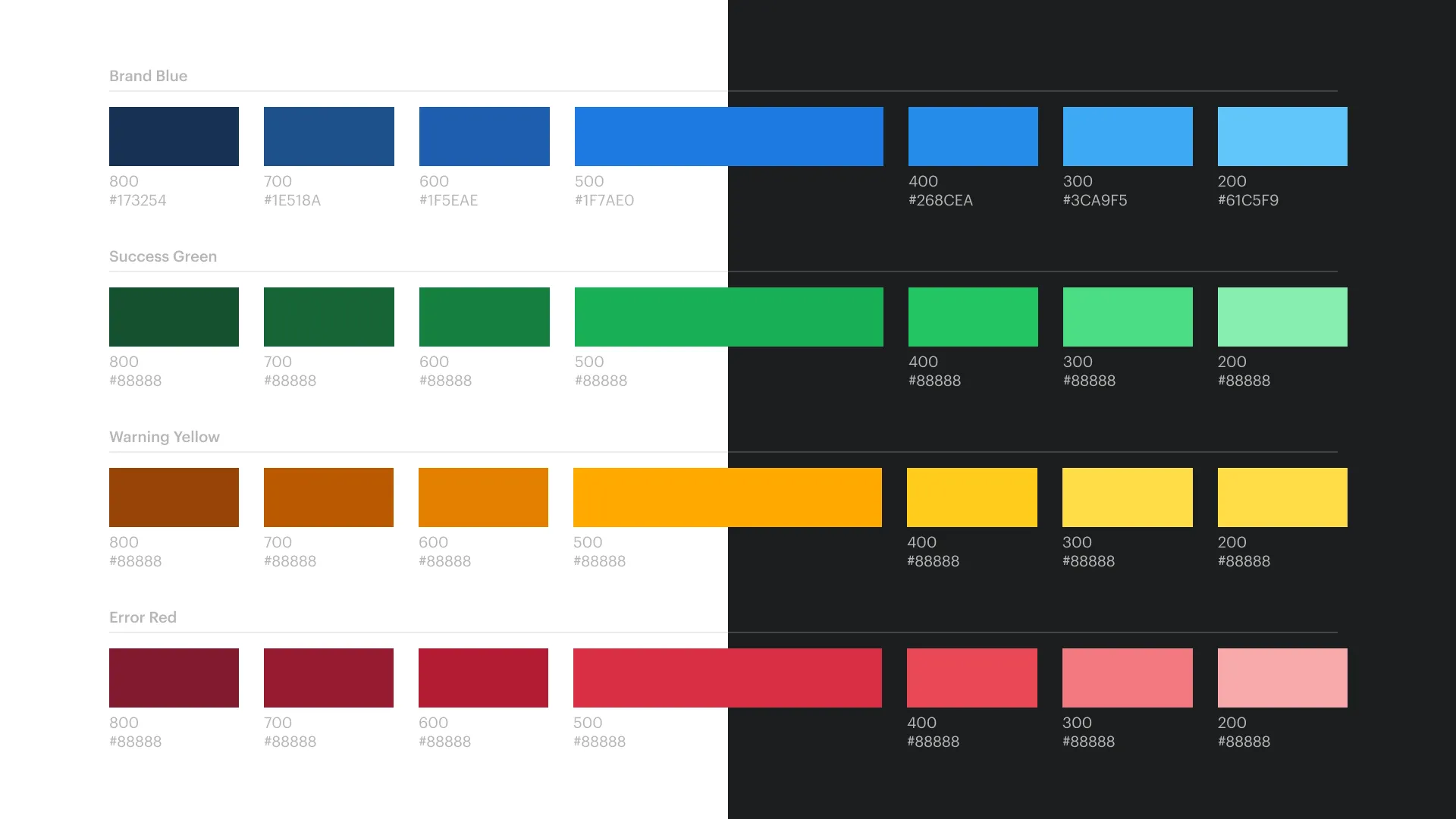
The system covered colour tokens, typography, spacing, grids, components, and iconography. Each workstream had a lead, and I contributed across all three. Colour, typography, and icons weren't built in isolation; they had to speak to each other, so being across all three mattered.
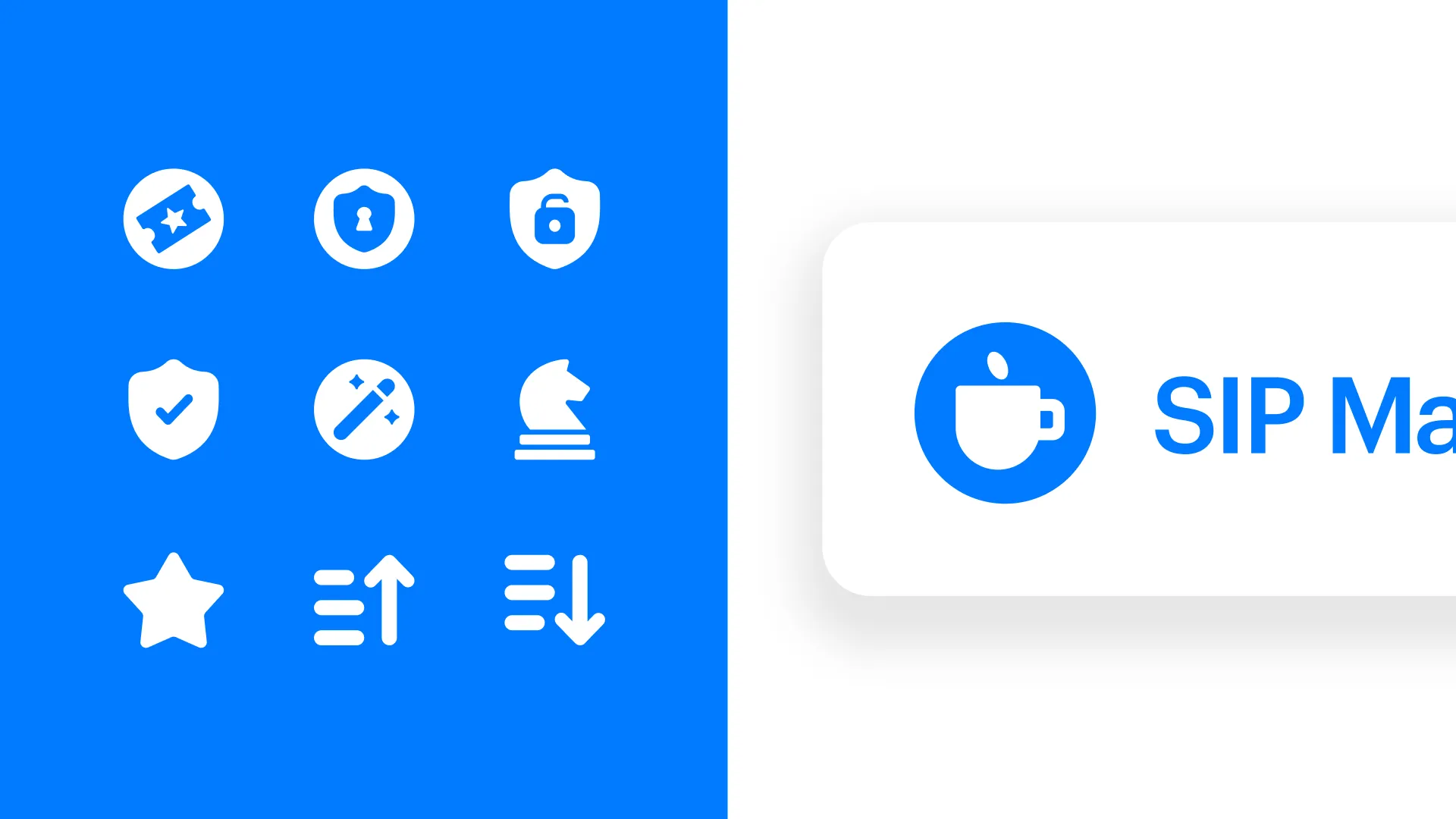
Every icon in the set was hand-drawn specifically for smallcase. That's not a small decision. Custom iconography is what separates a brand that feels considered from one that feels assembled. The icon set balanced precision and personality, complementing the brand's geometric logo and minimal aesthetic, and stayed consistent across web and mobile.
The system covered colour tokens, typography, spacing, grids, components, and iconography. Each workstream had a lead, and I contributed across all three. Colour, typography, and icons weren't built in isolation; they had to speak to each other, so being across all three mattered.
Every icon in the set was hand-drawn specifically for smallcase. That's not a small decision. Custom iconography is what separates a brand that feels considered from one that feels assembled. The icon set balanced precision and personality, complementing the brand's geometric logo and minimal aesthetic, and stayed consistent across web and mobile.
PRODUCT DESIGN
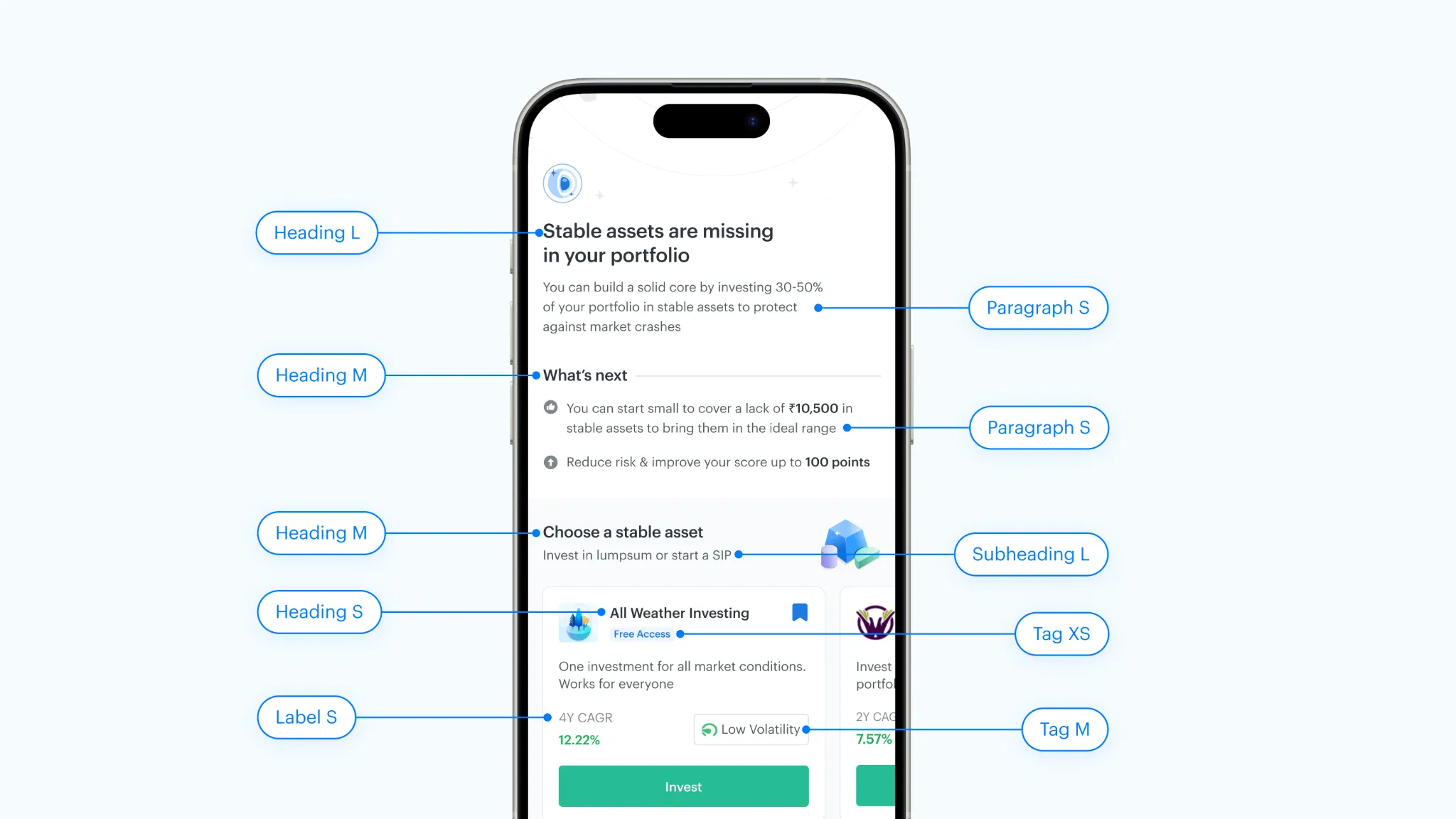
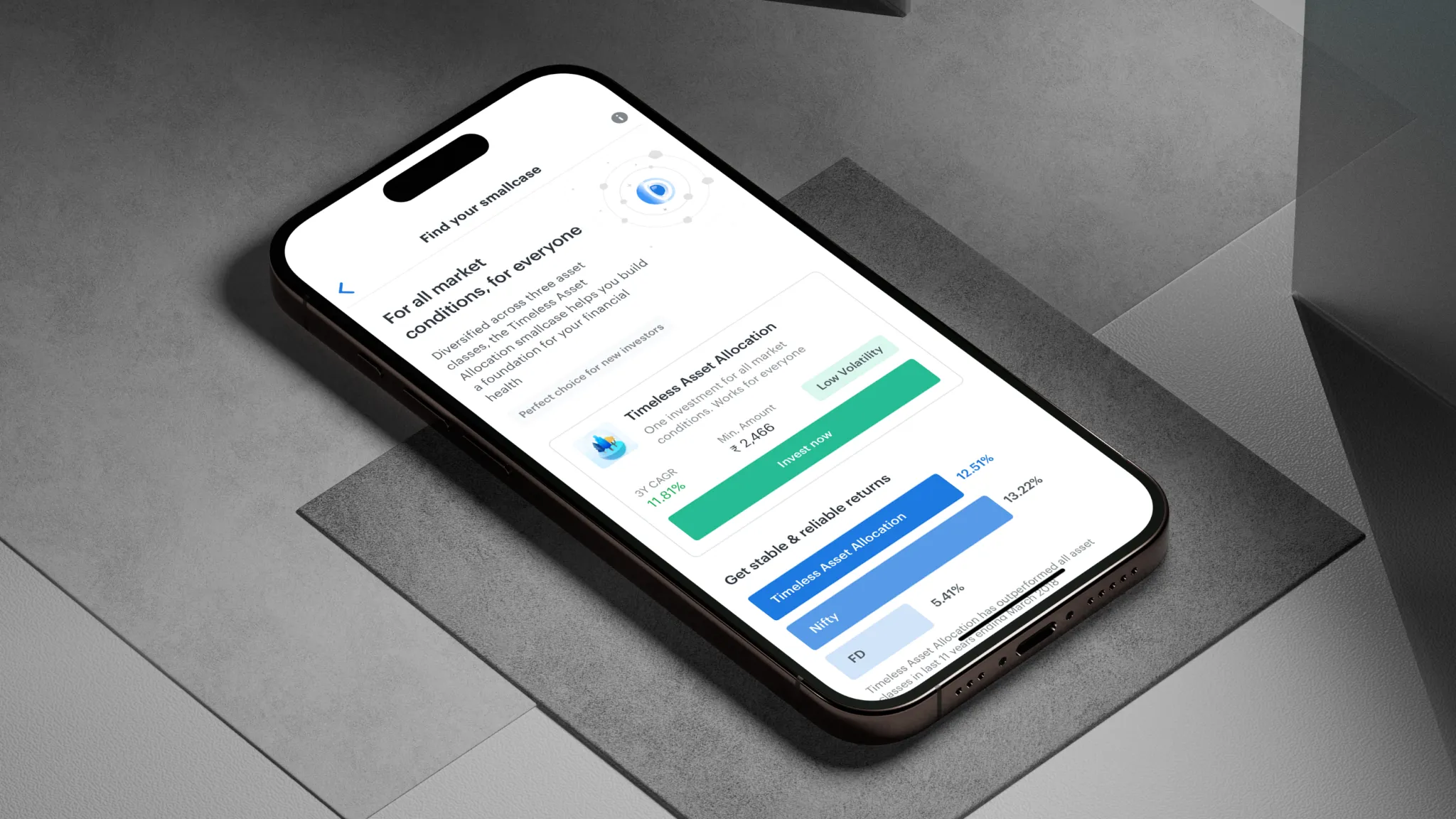
Once the system was built, it was rolled out into the product in collaboration with engineering. That handoff is where most design systems either prove their worth or fall apart. This one held.
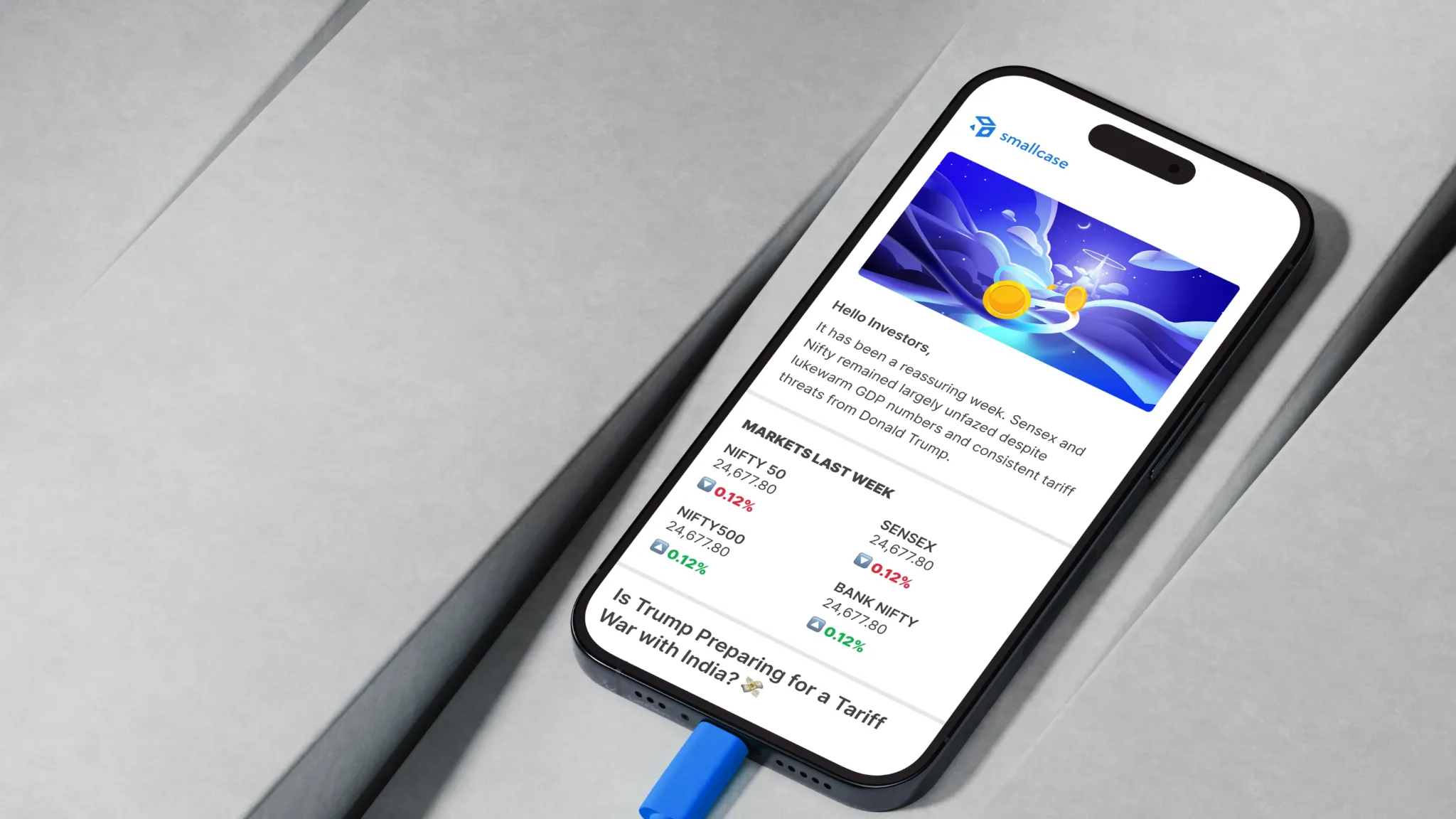
I also worked on SEO-focused web pages that extended the design language beyond the product: built for readability, hierarchy, and discoverability, while staying visually consistent with everything else.
Once the system was built, it was rolled out into the product in collaboration with engineering. That handoff is where most design systems either prove their worth or fall apart. This one held.
I also worked on SEO-focused web pages that extended the design language beyond the product: built for readability, hierarchy, and discoverability, while staying visually consistent with everything else.
© Shreya Ganeriwala 2026. All Rights Reserved.